Source Tricycle Rear Axle for ATV Golf Cart Motor Tricycle
Compare 26 Tricycle Rear Axle options from verified Chinese manufacturers. Buyers can evaluate specifications like material, brake systems, and customization for applications including ATVs, golf carts, and motorized tricycles; compare the available evidence and request quotations based on your requirements.
Key considerations
Products List


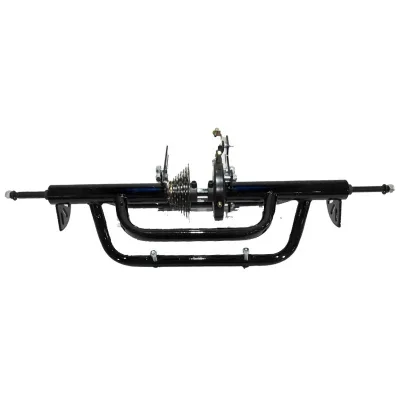
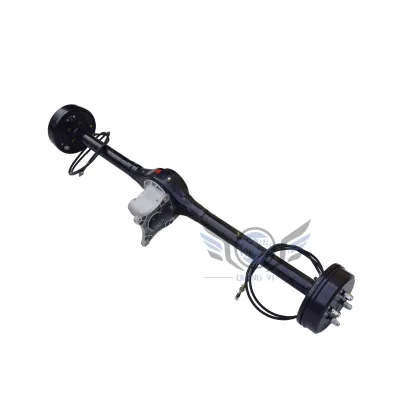
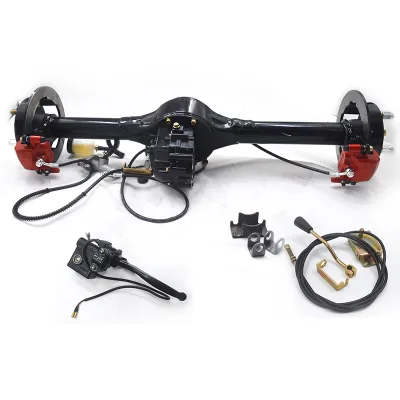
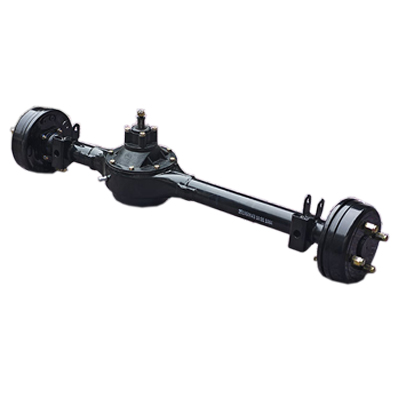
Outstanding Quality Differential Drum Brake Motorized Tricycles Rear Axle
$81.00 - $84.00
MOQ: 10 Sets






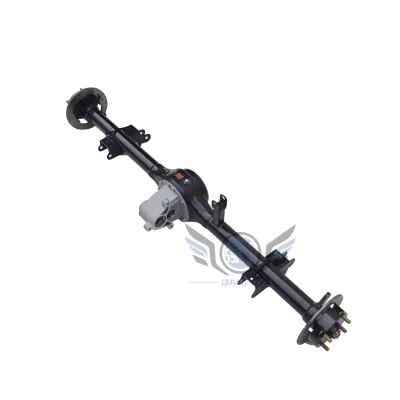
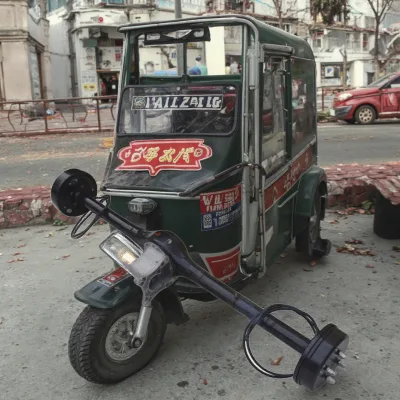
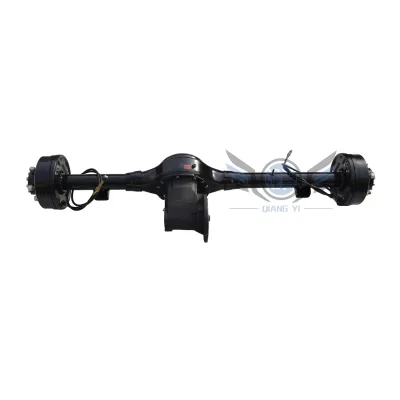
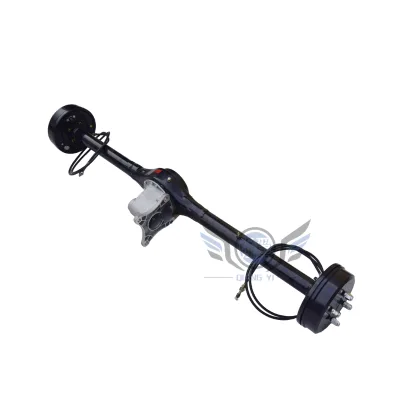
Comprehensive Sourcing Guide
Tricycle Rear Axle Sourcing Guide
Procuring a Tricycle Rear Axle requires careful attention to the specific mechanical demands of three-wheeled electric vehicles and motorized tricycles. The market offers a diverse range of options, from integrated shift rear axles to one-piece designs, each tailored for distinct vehicle architectures. Buyers must distinguish between models designed for golf carts, ATV applications, and standard auto rickshaws, as the load-bearing requirements and mounting interfaces vary significantly across these segments.
The observed product landscape includes units with power ratings between 350W and 800W, indicating compatibility with various motor configurations. While some listings specify a single item selling unit, others suggest bulk packaging capabilities. It is essential to verify whether the axle supports disc or drum braking systems, as this decision directly impacts the vehicle's stopping power and maintenance schedule. Understanding these fundamental distinctions ensures the selected component aligns with the intended operational profile of the final assembly.
Product Scope and Observed Listing Signals
Buyers should note that product attributes such as color and condition vary, with black being a common finish alongside options like blue, yellow, white, and red. The condition is consistently listed as new, suggesting that suppliers generally provide fresh inventory rather than refurbished units. However, the customization availability indicates that standard off-the-shelf items may not meet every unique chassis requirement, necessitating a dialogue with the manufacturer regarding specific dimensional or aesthetic modifications.
The physical dimensions and weight of the axles are critical factors in the selection process, with observed weights ranging from 10kg to 20kg and lengths varying from 62cm to 78cm. Some models feature customized lengths such as 33, 35, or 42 inches, while others offer specific measurements like 130mm or 160mm for integrated shift applications. These variations highlight the necessity of matching the axle's physical profile precisely to the vehicle frame to ensure proper fitment and structural integrity during operation.
Technical Specifications to Verify
Technical verification must begin with the material composition, as listings indicate the use of steel, alloy steel, and iron. The choice of material directly influences the axle's durability, weight, and resistance to fatigue under heavy loads. Buyers should confirm the specific alloy grade and manufacturing process, such as casting, to ensure the component can withstand the torsional stresses typical of tricycle applications. Surface treatments like polishing are also noted, which can affect corrosion resistance and the longevity of the part in outdoor environments.
Brake system compatibility is another vital technical parameter, with options including disc brakes and drum brakes. The diameter of the drum braking system is specified in some listings as ranging from 2.75mm to 3.5mm, though these figures likely refer to specific component dimensions rather than the drum diameter itself. It is imperative to validate the exact brake drum diameter and the distance inside the brake disc to ensure the selected axle accommodates the braking hardware without interference. Additionally, the speed ratio of 1:8.5, 1:8.0, or 1:6.5 must align with the vehicle's transmission requirements for optimal performance.
Compliance and Safety Documentation
Compliance verification is essential for international trade, as the observed certifications include ISO, CE, and CCC. These marks suggest adherence to specific manufacturing and safety standards, but buyers must request the actual certificates to confirm their validity and scope. The presence of ISO 9001:2016 or similar standards indicates a structured quality management system, which is crucial for maintaining consistent product quality across different production batches. Without these documents, the risk of non-compliance with local regulations in the destination market increases significantly.
Safety documentation should also address the specific application of the rear axle, particularly for electric vehicles and auto rickshaws. The certification data often links the manufacturing process to the application type, ensuring that the component meets the safety requirements for its intended use. Buyers should verify that the supplier provides test reports or quality assurance records that specifically cover the load-bearing capacity and braking performance of the axle. This due diligence protects the buyer from liability issues and ensures the final vehicle meets all necessary safety standards.
Cost Drivers and Commercial Terms
Cost drivers in this category are heavily influenced by material selection, customization levels, and packaging requirements. The price range observed spans from 2 to 680 USD, reflecting the vast difference between basic iron axles and high-quality alloy steel units with custom specifications. Buyers must understand that higher prices often correlate with superior materials, advanced surface treatments, and more complex manufacturing processes like casting. Additionally, the inclusion of custom lengths or specific color options can further impact the final unit cost.
Commercial terms such as Minimum Order Quantity (MOQ) and packaging details are equally critical for budget planning. The observed MOQ ranges from 1 to 50 units, offering flexibility for small-scale procurement while potentially requiring larger orders for bulk pricing. Packaging varies from cartons to blankets, with carton sizes like 752940cm noted for specific models. These logistical factors affect shipping costs and storage requirements, so buyers should calculate the total landed cost including freight and handling fees before finalizing the purchase agreement.
Supplier Qualification and Quality Control
Supplier qualification should focus on the origin and manufacturing capabilities, with products originating from Jiangsu, Zhejiang, and other regions in China. The presence of OEM branding and specific model numbers like OEM-RA001 or QSD-rear axle suggests that suppliers have established production lines capable of meeting specific client requirements. Buyers should verify the supplier's capacity to handle customization requests and their track record in producing high-quality or super-quality axles for the tricycle industry.
Quality control processes must be rigorously evaluated to ensure consistency and reliability. The listed attributes of "High Quality" and "Super" quality indicate a focus on performance, but these claims require validation through on-site audits or third-party inspections. Buyers should inquire about the supplier's internal testing protocols, particularly regarding the strength of the axle and the precision of the brake system integration. Establishing a clear quality assurance framework with the supplier is essential to mitigate the risk of receiving defective components that could compromise vehicle safety.
Long-Term Procurement Checks
Long-term procurement success depends on establishing a reliable supply chain that can adapt to changing market demands and vehicle designs. Buyers should prioritize suppliers who demonstrate flexibility in handling customized orders and maintaining consistent quality over time. The ability to provide updated specifications and maintain a steady inventory of key components like the 130mm or 160mm rear axles is vital for minimizing production downtime and ensuring timely delivery of finished vehicles.
Continuous monitoring of supplier performance is necessary to maintain high standards and address any emerging issues promptly. Buyers should regularly review the supplier's adherence to certifications, delivery timelines, and response to quality concerns. Building a collaborative relationship with the supplier can lead to better pricing, improved product designs, and enhanced support for future projects. This proactive approach ensures that the procurement strategy remains robust and capable of supporting the long-term growth of the tricycle business.
FAQs
What certifications do the tricycle rear axles have?
The tricycle rear axles hold ISO, CE, and CCC certifications. Some models also meet ISO 9001 manufacturing process standards. These certifications ensure the products comply with international quality and safety requirements for various vehicle applications.
Which materials are used for the rear axle construction?
The rear axles are constructed from steel, alloy steel, and iron materials. These durable materials ensure high quality and super performance for heavy-duty applications. The specific material choice depends on the customized model requirements and intended vehicle type.
Can the rear axle be customized for specific needs?
Yes, customization is available for length, standard, and distance inside the brake disc. Buyers can request specific dimensions like 33, 35, or 42 inches. The product origin is in Jiangsu or Zhejiang, China, supporting tailored manufacturing solutions.
What brake systems are compatible with these rear axles?
These rear axles support both disc brake and drum brake systems. Specific models accommodate drum braking with diameters ranging from 2.75 to 3.5mm. The design ensures compatibility with various tricycle and motorized vehicle configurations.
How is the product packed for shipping?
The products are packed in cartons or blankets depending on the specific model. Carton sizes vary, with some measuring 75 by 29 by 40 cm. This packaging ensures safe transport and protection during international shipping to global destinations.
What is the power range for the compatible vehicles?
The compatible vehicles operate within a power range of 350W to 800W. This range suits applications like ATVs, golf carts, and motorized tricycles. The rear axle is designed to handle the torque and load requirements of these specific power outputs.
Which locations manufacture these rear axles?
Manufacturing takes place in Jiangsu and Zhejiang provinces in China. These regions are known for producing high-quality automotive components. The origin ensures access to established supply chains and efficient production capabilities for bulk orders.